Motionless Wind & Leccy Wallpaper?

Last week we covered the subject of water, a resource we all need on and off-grid.
Water, Water, Everywhere, Nor Any Drop to Drink

The Lifeblood of Existence: The Importance of Water to Humans, Whether Off-Grid or Not
This week I have been researching some of the latest innovations in more eco-friendly electrical power solutions and also a chemical-free sustainable agricultural method.
I hope you find these interesting.
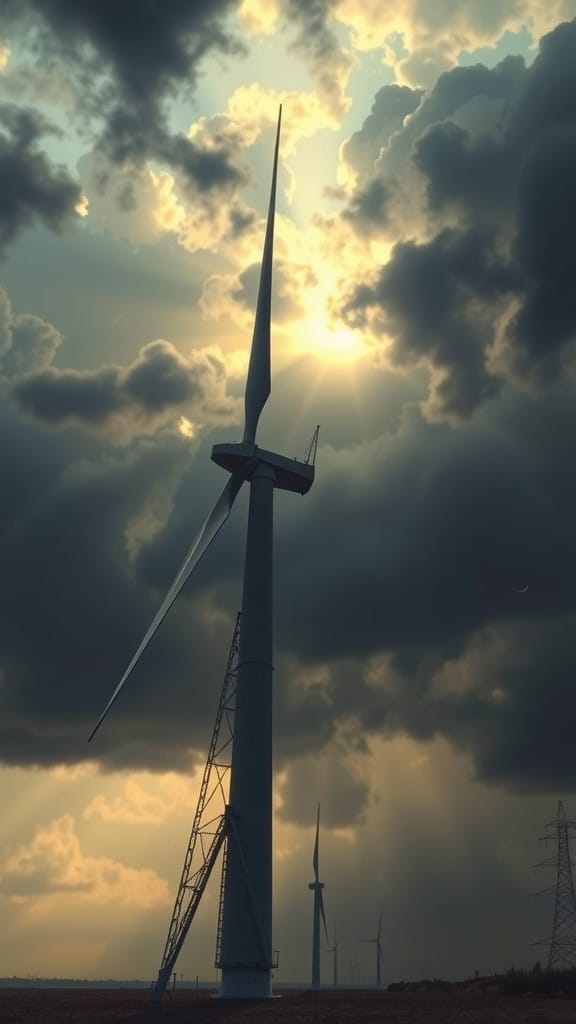
Motionless Wind Energy Systems: The Future of Quiet and Sustainable Power
Imagine this: a world where harnessing wind energy doesn’t mean a noisy, large turbine spinning overhead, disturbing the peaceful ambience of your community. Instead, picture sleek, motionless wind energy systems quietly working in the background to power your home or business without the negative impact on wildlife or the environment. Innovative motionless wind turbines are transforming the way we think about wind energy, providing clean power solutions tailored for urban settings and areas where traditional turbines just won't cut it.
Why Consider Motionless Wind Energy?
As the world evolves, so does the need for cleaner and more sustainable energy sources. Traditional wind turbines have made significant contributions to renewable energy but are not without their challenges. Noise pollution can be a major drawback, disturbing both human and animal life. Birds and bats are particularly vulnerable, as they often collide with rotating blades. As we strive for a greener future, these concerns have led to innovative solutions, such as motionless wind energy systems, that seek to mitigate these issues while still tapping into nature’s formidable energy source.
What are Motionless Wind Turbines?
Motionless wind energy systems typically utilize technologies different from those of conventional turbines to capture wind energy without the need for rotating blades. Examples of such systems include vertical axis wind turbines (VAWTs), which can operate without moving parts or utilize specialized designs that harness wind flow more quietly. These technologies enable the effective harvesting of wind energy while minimizing sound and limiting risks to wildlife.
Some innovative designs also incorporate elements of solar energy, combining both technologies to create hybrid systems that maximize energy potential in various environmental conditions. This versatility opens up exciting possibilities for urban applications, where rooftops and narrow spaces may limit traditional systems.
Addressing Noise and Wildlife Concerns
One of the most appealing aspects of motionless wind turbines is their ability to address the environmental concerns often associated with traditional wind farms. According to a study by the National Renewable Energy Laboratory, conventional wind turbines can generate noise levels between 40–60 decibels, which can be disruptive in residential areas.
Motionless systems, on the other hand, operate at minimal decibel levels, often akin to background noise or a whisper, making them more suitable for urban developments where quiet environments are essential. This feature opens doors to greater acceptance among communities that might otherwise push back against wind energy projects.
As for wildlife, particularly birds and bats, motionless wind turbines mitigate the collision risks that traditional turbines pose. Research published in Nature has highlighted the detrimental effects that spinning blades can have on bird populations. By focusing on designs that reduce or eliminate moving parts, these new systems hold the potential to create a safer ecosystem where wildlife can thrive alongside renewable energy initiatives.
Potential Applications in Urban Settings
Cities around the world are increasingly turning to renewable energy solutions to meet their growing energy demands and achieve sustainability goals. However, densely populated environments present unique challenges for traditional wind energy systems. The benefits of motionless wind turbines shine particularly bright in urban settings where space is at a premium, and noise is a significant issue.
Imagine a future where residential high-rises incorporate motionless wind turbines on their rooftops, efficiently generating electricity without disturbing the neighbours below. Community gardens in urban areas could also embrace wind energy while providing habitats for local wildlife, creating a harmonious balance between nature and modern living.
The compact nature of motionless turbines allows them to be integrated into smaller spaces, such as parks or plazas, where traditional turbines may not fit. Ultimately, this innovation can empower cities to diversify their energy sources and increase their resilience in the face of rising energy standards, all while fostering compassionate coexistence with nature.
Realizing the Potential
As with any emerging technology, the journey towards widespread adoption of motionless wind energy systems will require investment, research, and collaboration among stakeholders. Governments, private organizations, and individuals must work together to explore the potential of motionless turbines, improving their efficacy and further reducing costs in the process.
Fostering innovation means supporting research initiatives that push the boundaries of what these systems can achieve, particularly in terms of efficiency and production. Encouraging developers to create adaptable designs that can easily integrate into existing landscapes will be key to ensuring the success of motionless wind energy solutions.
Conclusion
Motionless wind energy systems offer a glimpse into the future of sustainable energy, marrying innovation with functionality in a way that protects both people and wildlife. By tapping into this quiet revolution, we can create a cleaner, greener world where renewable energy is not only possible but embraced wholeheartedly.
It’s time to rethink our approach to wind energy; let’s welcome the possibilities of motionless turbines into our communities, creating spaces filled with life and powered by nature’s inexhaustible resources.
Further reading
For those interested in delving deeper into the benefits of wind energy and its ecological impact:
Embarking on the journey towards integrating motionless wind energy systems starts with awareness and action. Let’s be pioneers in this green revolution!


Electric Wallpaper as a Heating Solution: Revolutionizing Home Climate Control
As the global conversation around climate change and sustainable living grows louder, innovative solutions to traditional heating methods are gaining traction. One such exciting advancement is the introduction of electric wallpaper—a concept that not only offers warmth but also embraces the principles of eco-friendliness and energy efficiency. Recently, a trial of this electric wallpaper in Glasgow has showcased its potential as an alternative heating source for homes, promising both comfort and sustainability. In this article, we’ll explore the promising features of electric wallpaper, how it works, and its impact on reducing carbon footprints and energy costs.
What is Electric Wallpaper?
Electric wallpaper is a cutting-edge technology that integrates heating elements directly into the wall coverings of a home. This innovative solution essentially transforms traditional wallpaper into a functional heating system. By incorporating thin, flexible heating pads made of carbon fibre or other conductive materials, electric wallpaper can effectively radiate warmth throughout a room. The design allows it to blend seamlessly with a home's aesthetic, providing a modern heating solution that doesn't compromise style for functionality.
How Electric Wallpaper Works
The underlying principle behind electric wallpaper is relatively simple yet highly effective. When connected to a power source, the conductive materials within the wallpaper generate heat. Homeowners can control the temperature through a smart thermostat or app, adjusting the warmth according to personal preferences and reducing energy usage during unoccupied hours.
This wall-mounted heating solution offers several benefits compared to conventional heating methods, such as radiators or forced air systems. For instance, electric wallpaper can provide a more consistent heat distribution, eliminating cold spots common in rooms heated by traditional methods. Furthermore, since it’s embedded directly in the walls, electric wallpaper allows homeowners to maximize floor space and maintain a clutter-free environment.
The Glasgow Trial: A Step Toward Sustainability
A trial of electric wallpaper took place in Glasgow, gauging its effectiveness as an alternative heating solution for local homes. Conducted by energy efficiency innovators and supported by environmental organizations, the trial aimed to assess real-world performance while promoting sustainable practices among residents.
Participants in the trial reported significant benefits, including enhanced comfort levels and decreased reliance on conventional heating methods during Glasgow's notoriously chilly winters. By reducing the dependence on gas or oil for heating, the trial demonstrated how electric wallpaper could directly contribute to lower carbon footprints.
One of the key objectives of the trial was to measure energy savings. Preliminary data showed that homes utilizing electric wallpaper consumed less energy overall compared to those relying on traditional heating systems. This aligns with Scotland's ambitious commitment to achieving net-zero carbon emissions by 2045, with innovative technologies like electric wallpaper playing a crucial role in reaching that goal.
Eco-Friendly Benefits of Electric Wallpaper
Reduced Carbon Footprint: By transitioning to electric wallpaper, homes can dramatically cut down their carbon emissions. Electric heating powered by renewable sources, such as solar or wind energy, can further intensify this reduction, promoting environmentally friendly energy consumption.
Cost-Effective Heating: Homeowners who participated in the trial noted a decrease in their energy bills. Electric wallpaper systems can operate more efficiently than traditional heating, helping residents save money over time while also reducing the overall energy consumption of their homes.
Aesthetic Appeal: As energy efficiency becomes a key consideration in interior design, electric wallpaper combines utility and fashion. Unlike bulky radiators that can disrupt room aesthetics, electric wallpaper blends seamlessly into any decor, allowing for creative designs that cater to individual tastes.
Smart Technology Integration: The growth of smart home technology means that electric wallpaper can be integrated into broader home automation systems. Homeowners can manage their wallpaper heating through apps, timing their heating to coincide with their schedules, further optimizing energy use.
Improved Health and Comfort: Electric wallpaper provides consistent warmth, which can improve indoor air quality and overall health by reducing temperature fluctuations. Moreover, it eliminates issues like drafts or cold spots that can occur with traditional heating methods.
Considerations and Challenges
While electric wallpaper presents a host of advantages, several challenges must be considered. The initial cost of installation could be higher than traditional heating systems, as retrofitting existing homes with this technology may require additional infrastructure support.
Moreover, the maintenance and durability of electric wallpaper systems need to be closely monitored to ensure long-term viability. Ongoing education about energy consumption and heating efficiency is vital to maximize the eco-friendly potential of this innovative technology.
Thoughts: Embracing the Future of Heating Solutions
The trial of electric wallpaper in Glasgow marks an exciting step in the realm of eco-conscious home heating strategies. As society shifts toward sustainability, solutions like electric wallpaper not only provide warmth and comfort but also contribute to substantial reductions in carbon footprints and energy costs.
For homeowners considering alternative heating solutions, embracing technologies like this could redefine their relationships with energy consumption and environmental responsibility. As the push for more sustainable living practices continues, electric wallpaper stands at the forefront of innovation, promising a future where comfort and environmental stewardship go hand in hand.
With ongoing advancements and interest in eco-friendly solutions, we may be looking at a transformative shift in how we conceive home heating, making our living spaces more comfortable, cost-effective, and ultimately, more sustainable.
This exciting journey into eco-friendly heating technology is just beginning, and electric wallpaper is only the tip of the iceberg. Homeowners and innovators alike should remain on the lookout for more sustainable, clever solutions to tomorrow's energy challenges.

ThermoSeed Technology: Pioneering a Sustainable Future for Agriculture
In the quest for sustainable agriculture, ThermoSeed technology emerges as a beacon of innovation. This revolutionary, chemical-free seed treatment method harnesses the power of steam to control pests, weeds, and diseases, aligning seamlessly with the principles of organic farming and supporting the broader vision of sustainable food production.
The Genesis of ThermoSeed Technology
ThermoSeed technology was born out of the necessity to find environmentally friendly alternatives to chemical seed treatments. Traditional methods often rely heavily on pesticides and fungicides, which, although effective, can have detrimental impacts on the environment, human health, and biodiversity. In response, ThermoSeed technology utilizes steam to cleanse seeds of harmful pathogens and pests, promoting a healthier, more sustainable agricultural practice.
How ThermoSeed Technology Works
The ThermoSeed process is ingeniously simple yet profoundly effective. Seeds are exposed to carefully controlled steam at specific temperatures and durations. This method eradicates a wide range of pathogens without compromising seed viability. Unlike chemical treatments, which can leave residues and harm beneficial soil organisms, ThermoSeed offers a clean, residue-free solution.
Promoting Organic Farming Principles
One of the key advantages of ThermoSeed technology is its alignment with organic farming principles. By avoiding chemical inputs, it ensures that the seeds remain entirely natural and free from synthetic residues. This not only supports the growth of organic crops but also contributes to the integrity and trust in organic food labels.
Organic farmers, in particular, can benefit significantly from ThermoSeed technology. It provides them with a reliable method to combat seed-borne diseases, enhancing crop yields and quality without resorting to synthetic chemicals. This aligns with the organic ethos of nurturing the soil and the environment, ensuring long-term sustainability.
Sustainable Food Production
ThermoSeed technology plays a crucial role in the broader context of sustainable food production. By ensuring that seeds are free from diseases and pests, it reduces the need for chemical interventions during the crop growth phase. This, in turn, leads to healthier soils, reduced chemical runoff, and lower environmental pollution.
Furthermore, the technology supports higher crop yields and better-quality produce. Healthier seeds lead to more vigorous plants, which are better equipped to withstand pests and diseases, ultimately resulting in more reliable food supplies. This is particularly important as the global population continues to grow, and the demand for sustainable food sources increases.
Supporting Off-Grid Living
In the realm of off-grid living, ThermoSeed technology offers substantial benefits. Off-grid living often involves self-sufficiency and a reliance on natural, renewable resources. ThermoSeed-treated seeds fit perfectly into this lifestyle, as they eliminate the need for chemical inputs, aligning with the sustainable and self-reliant ethos of off-grid communities.
By using ThermoSeed technology, off-grid farmers and gardeners can grow healthy, robust crops without relying on chemical treatments that require frequent purchases and potentially harmful storage conditions. This not only enhances food security but also reduces the environmental footprint of off-grid living.
A Vision for the Future
ThermoSeed technology represents a significant step forward in the pursuit of sustainable agriculture. Its ability to provide a chemical-free solution to seed treatment addresses critical challenges in modern farming, from environmental sustainability to organic food production and off-grid living.
As more farmers, gardeners, and agricultural communities adopt ThermoSeed technology, the vision of a greener, healthier, and more sustainable future becomes ever more tangible. By embracing innovative solutions like ThermoSeed, we can work towards a world where agriculture and nature coexist harmoniously, ensuring that future generations inherit a thriving, balanced ecosystem.
So, ThermoSeed technology is not just a method of seed treatment; it is a catalyst for change, paving the way for a more sustainable and organic approach to food production. By eliminating chemical residues, enhancing crop health, and supporting sustainable lifestyles, ThermoSeed is setting a new standard for agricultural innovation. It is a powerful tool in our collective effort to achieve a more sustainable and resilient agricultural system.

Until Next Time
Dominus Owen Markham - Your Man in a Cave in Rural Spain
PLEASE SHARE THIS NEWSLETTER FAR AND WIDE,
I intend to keep the subscription fully FREE for as long as possible!
Join me as a supporter and member with a real-life couple off-grid in Sweden:

Some more of my scribbles (ALL FREE):